
What to Know About Poicephalus Parrots as Pets
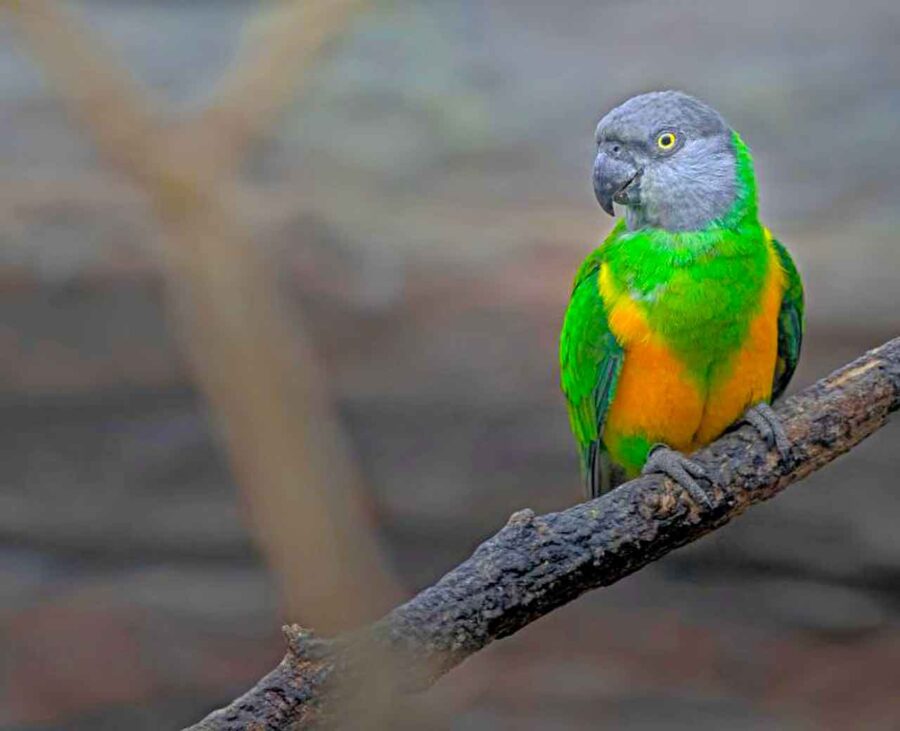
Poicephalus parrots may not always get the spotlight, but those who share their lives with one know just how special these birds are. This diverse group of African parrots includes popular companions like Senegal parrots and Meyer’s parrots—birds known for their intelligence, adaptability, and charming (sometimes quirky!) personalities.
If you’re looking for a parrot that’s engaging without being overwhelming, a Poicephalus may be a wonderful fit. Here’s what you need to know about caring for these thoughtful, capable companions.
Species Snapshot
Common Pet Species
- Senegal
- Meyer’s
- Red-bellied
- Brown-headed
- Jardine’s
Scientific Genus
Poicephalus
Size
8–12 inches (varies by species)
Lifespan
25–40 years with proper care
Personality
Intelligent, independent, loyal, observant
Noise Level
Low to moderate
Talking Ability
Moderate — clear speech in some individuals
Personality and Behavior
Poicephalus parrots are often described as “quiet thinkers.” They tend to be more reserved than many South American parrots but are deeply bonded and affectionate with their chosen people.
Many Poicephalus birds enjoy:
- One-on-one interaction
- Independent play near their humans
- Learning routines quickly
- Calm, predictable environments
Some individuals can be a bit cautious around strangers and may show mild territorial behavior, especially during hormonal periods. Early socialization and consistent handling help encourage confidence and flexibility.
Housing and Environment
Though not hyperactive, Poicephalus parrots need space to climb, chew, and explore. Therefore, keep the following guidelines in mind for their habitats:
Minimum cage size
24″ x 24″ x 30″ (larger for Jardine’s)
Bar spacing
¾” to 1″
Cage essentials
- Natural wood perches of varying thickness
- Chewable and foraging toys
- Rope perches and ladders
- A quiet sleeping perch or corner
Aim for 2–4 hours of supervised out-of-cage time daily, allowing your bird to exercise and interact on their terms.
Diet and Nutrition
A healthy diet is essential for long-term wellness.
Base diet
High-quality pellets
Fresh foods
Daily vegetables (especially dark leafy greens, squash, peppers, and carrots)
Fruits
Offered in moderation
Seeds and nuts
Use sparingly as treats or training rewards
Poicephalus parrots can be prone to obesity if fed too many high-fat foods, so portion control and variety are key.
Enrichment and Training
Poicephalus parrots are intelligent and enjoy problem-solving. Effective enrichment includes:
- Foraging puzzlesDestructible toys
- Simple trick training
- Target training and recall indoors
Positive reinforcement works best. Short, consistent training sessions will help strengthen your bond and provide mental stimulation without overwhelming your bird.
Download our enrichment plan with tips for every life stage!
Health and Wellness
With attentive care, Poicephalus parrots are generally hardy birds. However, always be on the lookout for signs such as:
- Weight gain
- Feather picking due to boredom or stress
- Vitamin A deficiency
- Behavioral changes during hormonal cycles
Annual wellness exams with an avian veterinarian, regular nail and beak maintenance, and a clean, enriching environment all support a long, healthy life.
Is a Poicephalus Parrot Right for You?
Poicephalus parrots are excellent companions for bird lovers who appreciate intelligence, independence, and quieter personalities. They’re especially well-suited to people who enjoy building trust gradually and respecting a bird’s autonomy.
If you’re interested in a smart, loyal parrot that blends affection with independence, a Poicephalus might be a great match. Take the MyBird Matchmaker Quiz to see which type of bird may be the right fit your lifestyle and expectations!

