

Thinking About Free Flying? Here’s How to Keep Your Bird Safe and Trained to Return
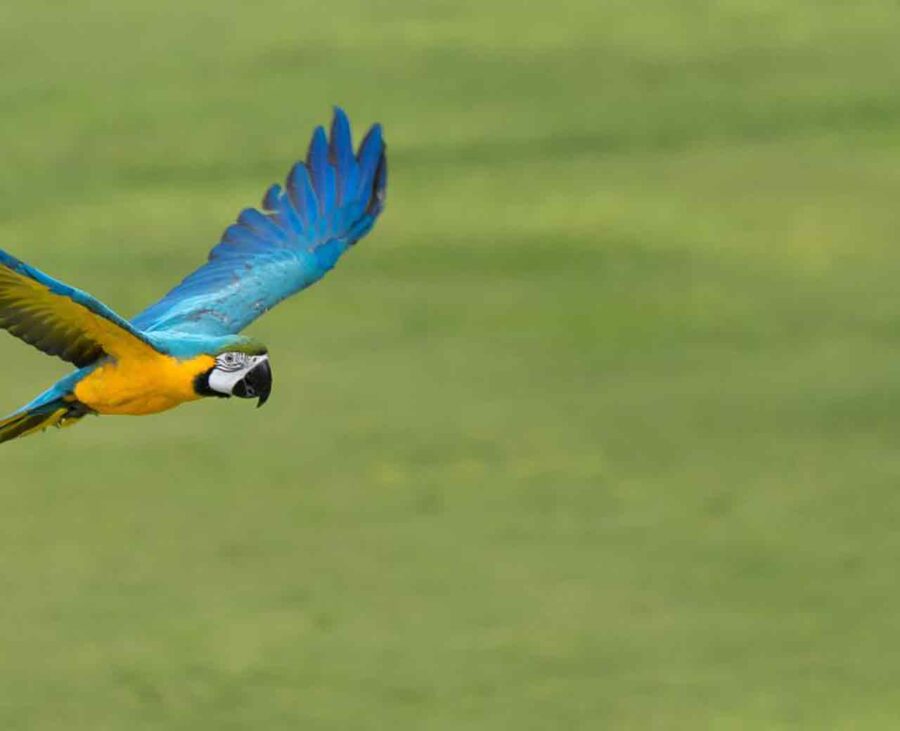
If you’ve ever watched videos of parrots soaring across open fields or flying to their humans from incredible distances, you know how magical free flying can look. It’s beautiful, thrilling, and showcases just how extraordinary birds truly are.
But behind every successful free-flying bird is an owner who has spent months—sometimes years—training, preparing, and ensuring that every possible safety measure is in place. Free flying is not a casual activity, and it can carry real risks, even for experienced handlers. If you’re considering it, the following guide will help you understand what’s involved, how to start safely, and how to protect your bird while giving them the freedom they crave.
What Exactly is “Free Flying”?
Free flying refers to allowing your bird to fly outdoors without physical restraint, relying entirely on training, recall, and your relationship to ensure they return. It differs from:
- Harness training, where the bird is safely tethered
- Indoor flight, which allows exercise without outdoor risks
- Large aviaries, where birds fly but remain contained
Because outdoor free flight exposes birds to predators, wind, unfamiliar noises, and other hazards, it should only be attempted after extensive training—and often with the guidance of a professional.
Safety is Paramount When It Comes to Free Flying
There’s no way around it: free flying has risks. But understanding those risks is the first step toward minimizing them. Major hazards include:
- Flying away and getting lost (this is usually the biggest concern)
- Predators such as hawks and falcons
- Sudden wind gusts or storms
- Startling noises like traffic, dogs, aircraft, or fireworks
- Toxic outdoor plants or chemicals
- People or animals who may approach unexpectedly
Free flying is safest when done with a bird who is:
- Extremely bonded to you
- Confident and well-socialized
- Fully flighted and in good health
- Well-trained in recall
Never attempt free flying with a new bird, a bird who startles easily, or one who has unreliable flight control.
Step One: Build a Rock-Solid Recall
Before your bird ever goes outside, they must have a consistent, immediate recall response indoors. Work on steps such as:
- Flying from perch to hand
- Responding to a verbal cue and/or specific whistle
- Returning even with mild distractions
- Station training (staying on a designated perch until cued)
Gradually increase distance and add controlled distractions as your bird improves. A bird should return 100% of the time indoors before you ever move outside.
Step Two: Transition to Safe Outdoor Training
The next step is taking training outside, but not yet into open space. Good early-stage options include:
Harness training
Safely gives a bird exposure to the outdoors.
Enclosed outdoor aviaries
Allows real flight without risk.
Long-line training (with caution)
Used by some trainers to bridge indoor recall to outdoor conditions.
The goal is to introduce your bird to variables such as wind, temperature changes, outdoor sounds, and new visual stimuli, which will help them build confidence and reduce the chance of panic once they are flying free.
Step Three: Controlled Free Flight (With Guidance)
Once your bird has flawless recall and is calm outdoors on a harness, then you can consider controlled free flight—ideally under the supervision of an experienced trainer. Here are a few tips for safer first flights:
- Choose a very wide, open space away from trees, animals, and roads
- Fly during calm weather (no wind or storms approaching)
- Keep sessions short at first
- Observe the sky for hawks or other raptors before starting
- Bring high-value treats and use familiar cues
- Train with another person if possible
Your first goal isn’t distance—it’s building successful reps where your bird returns promptly and confidently.
Understand When Free Flying is Not the Right Choice
Free flying isn’t for every bird—and that’s okay. Many companion parrots thrive with indoor flight, harness walks, and safe outdoor exposure without ever being free flown. In particular, free flying may not be suitable if your bird:
- Is easily startled
- Has poor recall
- Has health or mobility challenges
- Lives in an area with many predators
- Is not strongly bonded to you
Free flying should never be driven by trends or videos—only by your bird’s unique abilities and wellbeing.
Giving Your Bird the Freedom They Need—Safely
Whether you pursue free flying or stick to secure alternatives, one thing is certain: flight is incredibly beneficial for a parrot’s physical and emotional health. The key is choosing the right way to provide your bird with safe, fulfilling opportunities to stretch their wings.
If you’re ready to take the next step or would like guidance from a professional, visit our directory of IAABC Certified Bird Behaviorists to find an expert who can help you train safely and confidently.

