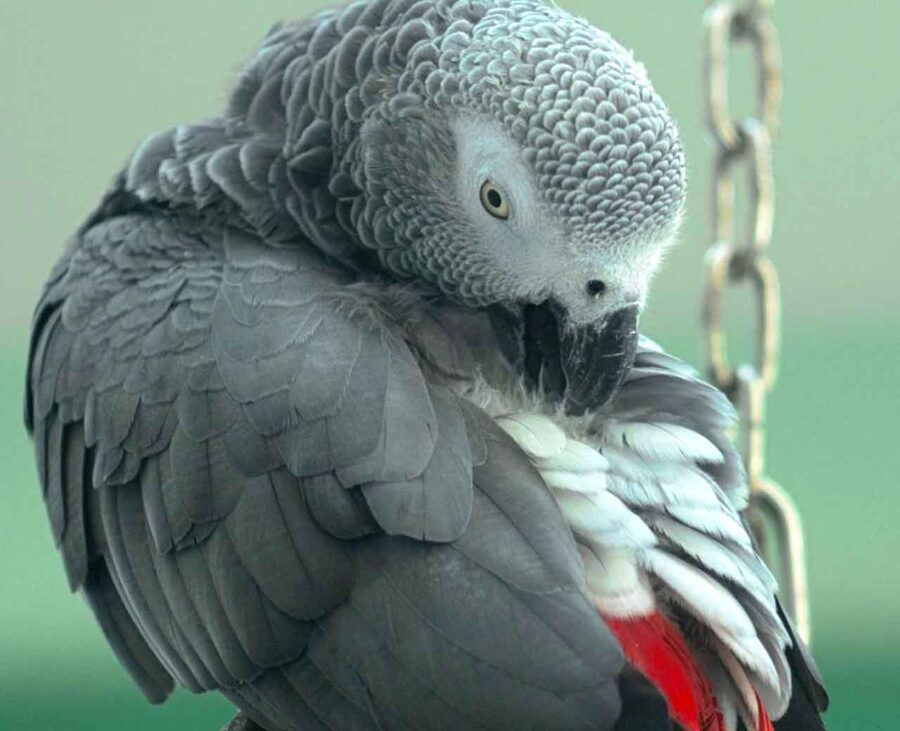
Why Is My Bird Plucking Its Feathers? Causes, Concerns, and What to Do
If you’ve noticed your bird pulling out, chewing, or over-preening its feathers, you may be wondering: Why is my bird plucking its feathers?
Feather plucking can be one of the most concerning behaviors a bird owner encounters. And while it can sometimes be related to stress or boredom, there isn’t always a single explanation. Feather damage and plucking can have medical, nutritional, environmental, hormonal, or behavioral causes—and sometimes several factors may be contributing at once.
Therefore, the first step is not simply trying to make your bird stop. It’s figuring out why your bird is plucking its feathers in the first place.
What Is Feather Plucking?
Feather plucking, sometimes called feather destructive behavior, occurs when a bird damages or removes its own feathers through behaviors such as excessive preening, chewing, or pulling.
Some birds may focus on particular areas of their body, while others may damage feathers more extensively. You may notice:
- Missing feathers or bald patches
- Broken, frayed, or chewed feathers
- Excessive preening
- Skin irritation or redness
- Feathers that appear unusually damaged or uneven
- An increase in feather-focused behavior
It’s important to distinguish feather plucking from normal molting. Birds naturally lose and replace feathers during molts, which typically occur periodically throughout the year and may coincide with seasonal changes such as spring or fall. During a molt, it’s normal for some birds to seem a little less energetic, eat somewhat differently, or even be slightly more irritable as their bodies devote energy to growing new feathers. You may also notice feathers being lost and replaced fairly evenly across the body rather than concentrated in one area.
Unlike a normal molt, feather plucking is generally an ongoing behavior in which the bird actively damages or removes its feathers. If your bird is developing bald patches, repeatedly chewing or pulling at its feathers, or showing signs of skin irritation, it’s worth investigating the underlying cause.
Why Do Birds Pluck Their Feathers?
There are many possible reasons for feather plucking, which is why identifying the underlying cause is so important.
Medical Conditions
Before assuming feather plucking is behavioral, it’s important to rule out medical causes. Skin irritation, parasites, inflammation, infection, pain, and other underlying health problems can cause a bird to focus excessively on its feathers or skin.
If your bird has suddenly started plucking, the behavior is getting worse, or you notice changes to the skin, feathers, appetite, droppings, activity level, or overall behavior, schedule an appointment with an avian veterinarian, as a veterinary evaluation can help determine whether an underlying medical problem needs to be addressed.
Nutritional Problems
A balanced diet is important for maintaining healthy skin and feathers. Nutritional deficiencies can affect feather quality, skin health, and normal feather growth. For example, vitamin A plays an important role in maintaining healthy epithelial tissues, including the skin and feather follicles. Inadequate vitamin A can contribute to dry, flaky, or irritated skin, which may cause a bird to over-preen or damage its feathers. Signs to watch for include:
- Thickened, scaly feet
- Flaky, overgrown beak and claws
- Retained pin feathers that harden and cause the bird intense discomfort and pain during grooming
- Preen gland infections that stop producing the waterproof oil the bird needs to condition its feathers
- Facial nodules that look like crusty bumps around the eyes, nares, and corners of the mouth
Overall, the bird may be overplucking because the skin becomes relentlessly itchy and inflamed.
Protein is also important because feathers are primarily made of keratin, a structural protein. Birds need adequate amounts of protein and the appropriate amino acids—including sulfur-containing amino acids such as cysteine and methionine—to support normal feather development.
Dietary fats also play an important role in maintaining healthy skin and feathers. Inadequate dietary fat can contribute to dry or irritated skin, while fats also help the body absorb fat-soluble vitamins such as vitamins A, D, E, and K.
This doesn’t mean that every bird who plucks is experiencing a nutritional deficiency. However, diet is one piece of the bigger picture and is worth discussing with your avian vet, particularly if your bird’s diet is limited or unbalanced.
Never make major changes to your bird’s diet or add supplements without consulting your vet. Too much of certain nutrients can also cause health problems.
Stress and Environmental Factors
Birds are highly perceptive animals, and their environments can have a significant impact on their well-being. What feels like normal household activity to one bird may be overwhelming to another. For instance, a busy household with children running around, loud noises, frequent visitors, other pets, or constant activity can potentially create stress for a bird that prefers a quieter environment.
Other environmental factors that may contribute to stress or discomfort include:
- Changes to the household or daily routine
- Lack of adequate sleep
- Frequent or unpredictable disruptions
- Inadequate lighting
- Very dry environmental conditions — if this is the case, giving your bird mist baths can help add moisture to their plumage
- Lack of a comfortable, secure place to retreat
- Insufficient opportunities for mental stimulation
The key is to pay attention to your individual bird. Birds have differing personalities and tolerance levels to sensory stimuli, and understanding what causes your bird to become uncomfortable or overwhelmed can help you make appropriate changes.
Boredom and Lack of Mental Stimulation
Birds don’t just need food, water, and a clean cage. They also need opportunities to use their brains and engage in natural behaviors.
In the wild, parrots spend a substantial portion of their waking hours foraging, exploring, manipulating objects, communicating, and interacting with other birds. Simply placing food in a bowl and providing a few toys may not provide enough variety or challenge for some pet birds.
A bird who lacks adequate mental stimulation may become bored, frustrated, or stressed. Therefore, consider whether your bird has regular opportunities to:
- Forage for food
- Explore safe new objects and environments
- Shred and manipulate appropriate materials
- Engage in training
- Play with a variety of toys
- Interact socially with people or other compatible birds
- Engage in other species-appropriate behaviors
Enrichment isn’t just entertainment. Providing opportunities for birds to think, explore, and interact with their environment is an important part of supporting their overall well-being.
Hormonal and Reproductive Factors
Hormonal changes can also influence behavior in pet birds. During periods of increased reproductive activity, some birds may become more territorial, nest-focused, or prone to other behavioral changes.
Environmental factors—including access to nesting spaces, certain types of petting, extended daylight exposure, or other reproductive cues—can sometimes contribute to hormonal behavior.
If you notice feather plucking alongside significant hormonal or reproductive behaviors, discuss your observations with your avian veterinarian. They can help determine whether hormonal factors may be contributing and whether changes to your bird’s environment or routine may be appropriate.
Can Stress Cause a Bird to Pluck Its Feathers?
Yes, stress can be one contributing factor, but it’s important not to assume that stress is the sole reason. For some birds, feather damaging behavior may become a coping mechanism when they are experiencing chronic stress, frustration, boredom, or inadequate stimulation. In other cases, a medical problem may cause discomfort that leads to excessive preening, and the behavior may continue even after the original problem has been addressed.
That’s why treating the behavior itself isn’t always enough. The underlying cause(s) needs to be evaluated.
Helping Your Bird Feel More Comfortable
Once medical issues have been ruled out and/or addressed, there are several ways you can help create a healthier and more enriching environment for your bird.
Increase Enrichment
Offer a variety of activities that encourage your bird to forage, chew, shred, explore, and solve simple problems. Try rotating toys rather than leaving the same selection available indefinitely, and introduce new enrichment gradually so your bird has an opportunity to investigate it at their own pace.
Provide Foraging Opportunities
Foraging is a natural behavior for birds and can provide valuable mental stimulation. Instead of offering every meal in a food bowl, ask your vet or a qualified bird behavior professional about safe ways to introduce simple foraging activities appropriate for your bird.
Even small challenges—such as hiding a favorite treat inside an appropriate foraging toy—can encourage your bird to work for part of its food, thereby engaging their mind while attaining that certain satisfaction that comes from accomplishing a task with a pleasing reward for their efforts.
Maintain a Predictable Routine
Many birds benefit from knowing what to expect from their day. Consistent opportunities for sleep, feeding, exercise, social interaction, and training can help create a sense of security. That doesn’t mean your bird’s environment needs to be completely predictable. Instead, aim for a healthy balance of routine and appropriate novelty.
Reduce Overwhelming Stressors
Pay attention to situations in which your bird appears frightened, overstimulated, or uncomfortable.
If a particular experience seems overwhelming, don’t assume your bird simply needs to “get used to it.” Instead, consider gradual desensitization: introducing the experience in small, manageable steps while using positive reinforcement to help your bird develop a more positive association. For example, if your bird is frightened by a new object, you might begin by placing it at a comfortable distance rather than immediately putting it inside the cage. Once your bird is comfortable with that step, you can gradually move closer.
The goal is to build confidence—not to overwhelm your bird.
What If Your Bird Won’t Stop Plucking?
Unfortunately, there isn’t a universal way to stop a bird from plucking its feathers. Because the behavior can have so many different causes, the most effective approach depends on the individual bird.
If your bird is plucking, start by scheduling an appointment with an avian vet. He or she will be able to help rule out medical and nutritional problems and determine whether additional evaluation is needed.
From there, you may need to look at your bird’s:
- Diet and nutritional status
- Sleep schedule
- Environment
- Enrichment opportunities
- Social interaction
- Daily routine
- Hormonal or reproductive triggers
- Stressors
- Training and behavior patterns
A qualified bird behavior professional can also help identify patterns and develop a plan tailored to your bird.
Can You Prevent Feather Plucking?
There’s no way to guarantee that a bird will never develop feather destructive behavior, but meeting your bird’s physical, mental, and social needs can support overall well-being.
That means providing:
- A nutritionally balanced diet
- Regular veterinary care
- Appropriate sleep
- Safe opportunities for exercise and exploration
- Mental stimulation and enrichment
- Foraging opportunities
- Positive social interaction
- Opportunities to engage in natural behaviors
- A safe, comfortable environment
- Positive reinforcement training
Remember that your bird’s health involves more than nutrition and veterinary care. Mental and social well-being play an equally vital role in your bird’s overall health and well-being.
The Bottom Line: Look for the “Why”
When a bird plucks its feathers, it can be tempting to focus entirely on stopping the behavior. But the more helpful question is: What is my bird trying to tell me, or what need is not being met?
Feather plucking may be your bird’s response to discomfort, illness, nutritional problems, stress, boredom, hormonal changes, or a combination of factors. Identifying and addressing those underlying factors is often the most important step toward helping your bird.
With patience, veterinary guidance, appropriate enrichment, and a better understanding of your bird’s individual needs, you can give your feathered companion the best possible foundation for a healthy, enriching, and satisfying life.
Seeking Professional Assistance with Your Pet Bird?
If you’re concerned about feather plucking or another behavior, you don’t have to figure it out alone. A qualified avian veterinarian can help identify or rule out potential medical causes, while a certified bird behaviorist can help you understand behavioral patterns and develop a personalized plan.
The sooner you understand what’s behind the behavior, the sooner you can start helping your bird feel more content, engaged, and with a better sense of control over their life.

