
Quaker Parakeet Care Guide: Social, Smart, and Full of Personality
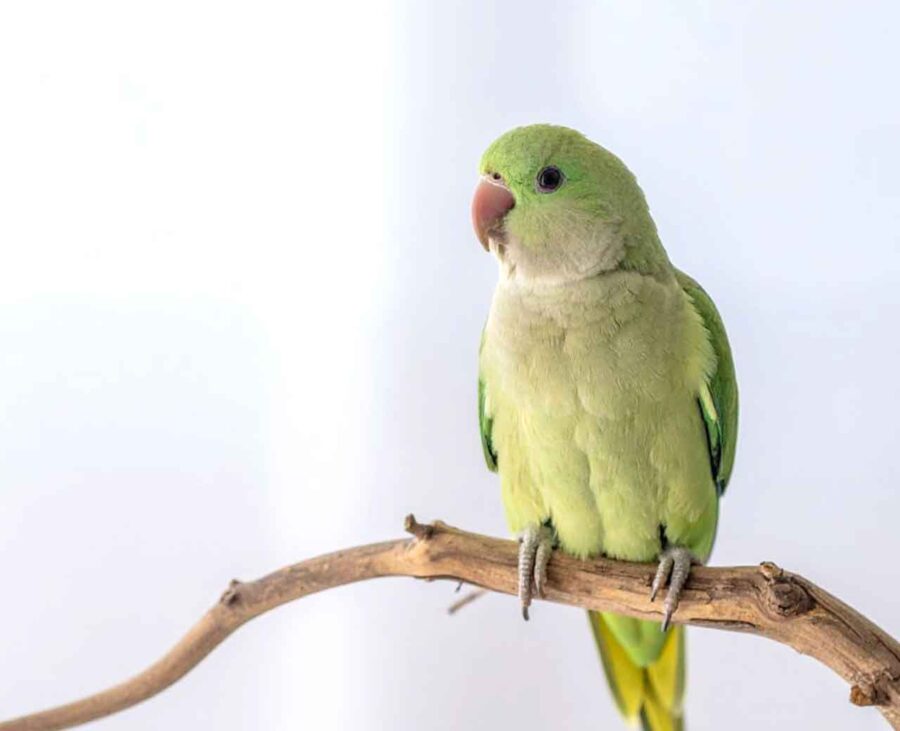
Quaker parakeets—also known as Monk parakeets—are beloved for their expressive faces, playful antics, and impressive talking abilities. Curious and highly social, these medium-sized parakeets often form deep bonds with their people and thrive in interactive households.
However, Quakers are also known for their strong opinions and big personalities, which makes understanding their needs especially important. Here’s what every potential Quaker parakeet owner should know.
Species Snapshot
Common Names
- Quaker parakeet
- Monk parakeet
Scientific Name
Myiopsitta monachus
Size
11–12 inches
Lifespan
20–30 years (sometimes longer)
Personality
Social, intelligent, vocal, and confident
Noise Level
Moderate to high
Talking Ability
Moderate
Personality and Behavior
Quaker parakeets are famously social birds. They crave interaction, enjoy being part of daily life, and often prefer being near their humans as much as possible.
Common traits include:
- Strong bonds with people
- Playful, sometimes mischievous behavior
- Clear communication through vocalizations and body language
- Confidence that can sometimes turn into territorial behavior
Quakers are natural nest builders, and this instinct can lead to territoriality—particularly around cages or favorite spaces. Early training, enrichment, and respectful handling can help keep these tendencies in check.
Housing and Environment
Quakers are active and curious, so proper cage setup is crucial. Here are some specifications to keep in mind:
Minimum cage size
24″ x 24″ x 30″ (bigger is better)
Bar spacing
no more than ½”
Cage essentials
- Multiple natural wood perches
- Chewable toys and foraging toys
- Safe materials for shredding and building, such as cardboard, paper, and palm
- Rotating toys to prevent boredom
Quakers need at least 3–4 hours of supervised out-of-cage time daily in order to burn energy and stay mentally healthy.
Diet and Nutrition
A balanced diet supports both behavior and long-term health. A few guidelines for a proper Quaker parakeet diet include:
Base diet
High-quality pellets
Fresh foods
Daily vegetables, such as leafy greens, carrots, peppers, and broccoli
Fruits
In moderation
Seeds
Limited; avoid seed-heavy diets
As always, avoid foods that are toxic to birds, including avocado, chocolate, caffeine, alcohol, and high-salt foods Quakers can be prone to obesity and fatty liver disease if fed too many seeds, so variety and portion control are essential.
Enrichment and Training
Quaker parakeets are highly intelligent and need plenty of mental stimulation. Enrichment ideas include:
- Foraging toys and puzzles
- Shreddable materials for nest-building instincts
- Training sessions using positive reinforcement
- Talking and sound-mimicry games
These activities not only improve your Quaker’s behavior—they can strengthen your bond with them as well. Need tailored enrichment ideas for each stage of your bird’s life? Download our free Quaker Parakeet Enrichment Tool!
Health and Wellness
With proper care, Quakers are generally hardy birds, but always watch for signs such as:
- Weight gain
- Hormonal or territorial aggression
- Feather plucking from boredom or stress
- Respiratory issues
Annual checkups with an avian veterinarian, a clean living space, and consistent routines will help keep your Quaker healthy and happy.
An Important Note on Legality
Quaker parakeets are restricted or regulated in some states due to their ability to survive in the wild and build large communal nests. Before bringing one home, always check local and state regulations to ensure that Quaker ownership is legal where you live.
Is a Quaker Parakeet Right for You?
Quaker parakeets are wonderful companions for people who enjoy a highly interactive, vocal, and engaging bird. They thrive in homes where they’re treated as part of the family and given plenty of attention and enrichment.
If you’re ready for a clever, talkative bird with a big personality, a Quaker parakeet may be a great fit. Take our Matchmaker Quiz to see if a Quaker parakeet matches your lifestyle and expectations!

