
Pionus Parrot Care Guide: The Quiet, Gentle Parrots That Win Hearts
If you’re looking for a parrot that’s sweet, steady, and easygoing, the Pionus might just be your perfect match. Known for their calm demeanor, beautiful coloring, and lower noise levels compared to many other parrots, Pionus parrots make wonderful companions for families and first-time parrot owners alike.
Here’s everything you should know about caring for these gentle, underrated birds.
Species Snapshot
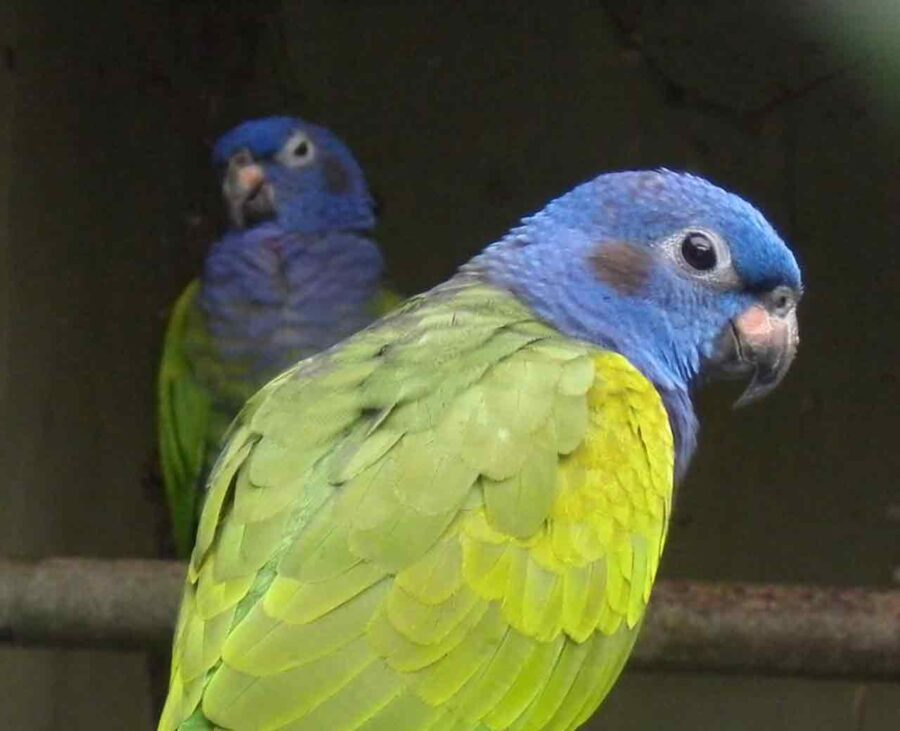
Common Species in Captivity
- Blue-headed
- White-capped
- Maximilian’s
- Bronze-winged
- Dusky
Scientific Genus
Pionus
Size
10–12 inches
Lifespan
25–40 years with proper care
Personality
Mild-mannered, affectionate, independent, observant
Noise Level
Low to moderate (known for their “wheeze,” especially when excited!)
Talking Ability
Moderate—some learn words, but they’re not known for having large vocabularies
Personality and Behavior
Pionus parrots are often described as the “best-kept secret” of the parrot world. They’re affectionate without being clingy, social without being demanding, and playful without the high intensity of more energetic species.
Pionus often bond closely with their families, but aren’t typically one-person birds. They enjoy companionship and attention, but they also appreciate their independence—making them great for people who want a bird that’s loving but not overly needy. You can expect your Pionus to have moderate activity levels, curious but gentle exploration tendencies, and a calm temperament around new people.
Housing and Environment
Even though Pionus are not as hyperactive as some parrots, they still need adequate space to stretch, flap, and climb. Here are some guidelines to keep in mind when setting up their habitat:
Minimum cage size
24″ x 24″ x 32″
Bar spacing
¾” to 1″
Cage setup
Include natural wood perches of varying thickness, plenty of chewable and foraging toys, and a sturdy platform perch (many Pionus enjoy lounging!)
Out-of-cage time
2–3 hours daily
Place the cage in a bright room with regular household activity, but avoid the kitchen—Pionus are sensitive to air quality, and Teflon/overheated cookware fumes are extremely dangerous for all birds.
Diet and Nutrition
Pionus parrots thrive on a balanced, varied diet that includes:
Base diet
High-quality pellets
Vegetables
On a daily basis, offer veggies such as leafy greens, carrots, peppers, broccoli, or squash
Fruits
A few times per week in small portions
Seeds/nuts
Use as training treats only
Calcium
Pionus can be prone to calcium deficiency, so offer dark leafy greens and discuss supplementation with your avian vet
Fresh, clean water should always be available, and food dishes should be washed daily.
Enrichment and Training
Pionus parrots are not as high-energy as conures or macaws, but they still need mental and physical enrichment to stay healthy. Good enrichment options include:
- Foraging toys (they love working for food)
- Soft wood or shreddable toys
- Puzzle feeders
- Climbing ropes and ladders
- Training sessions using positive reinforcement
Training helps build trust and confidence, while giving these thoughtful birds a fun outlet for their intelligence. Want some ideas for enrichment essentials at each stage of your Pionus parrot’s life? Download our free Enrichment Tool!
Health and Wellness
With attentive care, Pionus parrots can live for up to 40 years. Be sure to watch out for the following health risks in your bird.
Wheezing
Mild wheezing when excited is normal, but labored breathing is not.
Overweight
Pionus can gain weight easily on high-fat diets.
Vitamin A deficiency
Offer orange and dark green veggies.
Aspergillosis risk
They can be susceptible, so keep their environment clean and well-ventilated.
Schedule yearly wellness exams with an avian veterinarian, and provide 10–12 hours of uninterrupted sleep each night.
Is a Pionus Parrot Right for You?
Pionus parrots are ideal for people seeking a calm, affectionate, and steady companion. They don’t scream like larger parrots or demand constant attention, but they still form deep bonds with their owners and enjoy daily interaction.
If you’re looking for a thoughtful, gentle bird with a long lifespan and a sweet disposition, a Pionus might be the perfect addition to your flock. Take our Matchmaker Quiz to see which type of bird may be the right fit for your lifestyle!

