
10 Foods Pet Birds Should Never Eat (and Safe Alternatives to Try Instead)
As bird owners, we all enjoy treating our feathered companions. However, not every food that’s safe for humans is safe for birds. Because birds have unique nutritional needs and sensitive digestive systems, certain foods can cause serious health problems—even in small amounts.
Whether you’re caring for a budgie, cockatiel, conure, Amazon parrot, or another pet bird species, understanding which foods to avoid is an important part of responsible bird ownership. Here are 10 foods that pet birds should never eat, as well as safe alternatives to try instead:
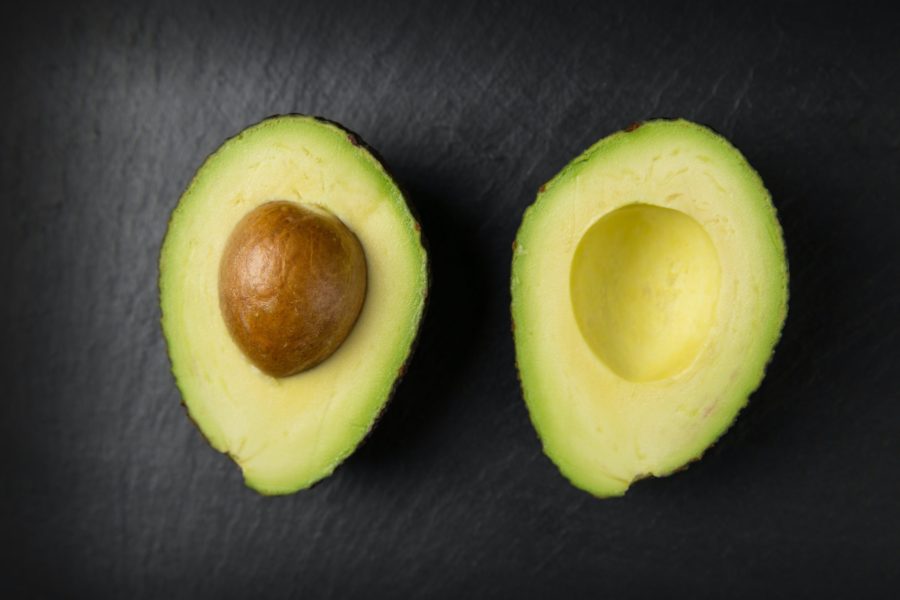
Avocado
Avocado is one of the most commonly cited toxic foods for pet birds. The fruit, pit, skin, and leaves contain persin, a fungicidal toxin that can be harmful to birds. In susceptible species, avocado consumption has been associated with respiratory distress, weakness, and potentially fatal cardiac complications.
Because reactions can occur even after consuming a relatively small amount, it’s best to keep all forms of avocado completely off your bird’s menu. Instead, consider offering bird-safe vegetables such as carrots, sweet potatoes, or leafy greens.
Coffee, Tea, and Other Caffeinated Drinks
Birds have extremely fast metabolisms, making them especially sensitive to stimulants. Caffeine found in coffee, tea, energy drinks, and many sodas can increase heart rate, cause hyperactivity, and lead to potentially serious cardiovascular problems. Therefore, while sharing a sip of your morning coffee may seem harmless, caffeinated beverages should never be offered to pet birds.
Fresh water should always be your bird’s primary beverage.
Chocolate
Chocolate contains both theobromine and caffeine—compounds that are toxic to many animals, including birds. Depending on the amount consumed, chocolate toxicity may cause vomiting, diarrhea, tremors, seizures, abnormal heart rhythms, and other serious complications. Darker chocolates generally contain higher concentrations of these compounds, making them particularly dangerous.
When offering treats, choose bird-safe fruits such as bananas, berries, or melon instead.
Onions
Whether they’re raw, cooked, dried, or powdered, onions can be problematic for birds. Members of the allium family have been associated with damage to red blood cells and digestive irritation in a variety of animals, including birds.
Because onions frequently appear in prepared foods, soups, sauces, and table scraps, bird owners should be cautious about sharing human meals. Fresh vegetables specifically prepared for your bird are always a safer choice.
Apple Seeds
Apples can be a healthy and enriching treat for many birds, but the seeds should always be removed before serving. Apple seeds contain compounds that can release cyanide when metabolized.
The flesh of the apple is generally safe when washed and prepared properly, but taking a few extra moments to remove the seeds is an important precaution. This same rule applies whenever you offer fresh fruits that contain seeds or pits.
Salty Snacks
Potato chips, pretzels, crackers, and other processed snack foods are often high in sodium. While birds do require small amounts of sodium in their diets, excessive salt intake can contribute to dehydration and place stress on the kidneys.
Many packaged human foods contain significantly more sodium than is appropriate for birds.
If you’d like to share a snack, consider plain cooked pasta, cooked grains, or bird-safe vegetables instead.
High-Fat Foods
Seeds and nuts can absolutely be part of a healthy bird diet, but moderation is important. Excessive consumption of high-fat foods may contribute to obesity, fatty liver disease, and cardiovascular problems, particularly in species already prone to weight gain. Similarly, fried foods and rich table scraps should be avoided.
For many companion birds, high-quality pellets combined with vegetables and limited treats provide a healthier nutritional balance.
Fruit Pits
The pits found in peaches, cherries, apricots, plums, and nectarines contain compounds similar to those found in apple seeds. In addition to potential toxicity concerns, pits can also present choking hazards or become dangerous chew toys for curious birds. Therefore, always remove pits before serving fresh fruit.
Soft fruits such as melon, berries, and mango can provide safer alternatives.
Garlic
Like onions, garlic belongs to the allium family. While research regarding garlic’s effects on birds is more limited, large quantities may cause digestive irritation and other health concerns.
As a general rule, heavily seasoned foods—including those containing garlic powder or onion powder—are best avoided.
When selecting treats, simple and minimally processed foods are usually the safest option.
Table Scraps and Leftovers
Many human foods contain ingredients that are unsuitable for birds, including excess salt, sugar, fat, caffeine, alcohol, garlic, and onions. Even foods that seem healthy may contain seasonings or additives that aren’t appropriate for avian diets.
While it can be tempting to share meals with a beloved companion bird, offering species-appropriate foods is the best way to support long-term health.
If you’re unsure whether a food is safe, consult an avian veterinarian before offering it to your bird.
Frequently Asked Questions About Bird-Safe Foods
Can birds eat bread?
While small amounts of plain bread are generally not toxic to birds, it shouldn’t be a regular part of their diet. Bread provides little nutritional value and can fill birds up without providing the vitamins and minerals they need. Healthier options include vegetables, pellets, and species-appropriate treats.
Can birds eat cheese?
Cheese is not toxic to most birds, but many birds have difficulty digesting dairy products. Because cheese is often high in fat and sodium, it should only be offered rarely, if at all.
Can birds eat peanut butter?
Plain peanut butter is not inherently toxic to birds, but it is high in fat and should only be offered in moderation. Avoid products containing artificial sweeteners, excessive sugar, or other additives. Always check the ingredient list before sharing any human food with your bird.
Can parrots eat eggs?
Cooked eggs can be a nutritious source of protein for many parrots when offered occasionally as part of a balanced diet. Eggs should be fully cooked and served without salt, butter, oils, or seasonings.
What should I do if my bird eats a toxic food?
If you suspect your bird has eaten a potentially toxic food, contact an avian veterinarian immediately. Birds can deteriorate quickly after ingesting harmful substances, so prompt veterinary guidance is important. If you’re not sure where to find an avian vet, use our locator to find a qualified professional near you.
A Healthier Approach to Treats
Treats can be an enjoyable part of your bird’s routine, but they should complement—not replace—a balanced diet. Most birds thrive on a diet built around quality pellets, fresh vegetables, appropriate fruits, and species-specific nutritional recommendations.
Looking for more ways to keep your bird healthy and engaged? Explore our blog, species guides, or avian vet locator for trusted information and support!
Important Note
This article is intended for educational purposes only and should not replace professional veterinary advice. Nutritional needs can vary based on a bird’s species, age, health status, and individual circumstances. If you have questions about your bird’s diet or believe your bird may have consumed a toxic food, consult an avian vet as soon as possible.

