

What are the Best Birds for Apartment Living?
Living in an apartment doesn’t mean you can’t enjoy life with a pet bird. In fact, many birds thrive in smaller spaces when their social, mental, and physical needs are met. The key is choosing a species whose noise level, space requirements, and energy match your lifestyle and living environment.
Before bringing home a feathered companion, here’s what apartment dwellers should consider—along with bird species that are often well-suited for living in apartments or other homes with shared walls.
What Makes a Bird Apartment-Friendly?
While every bird has its own personality, some general traits tend to work better in shared-wall living spaces. Apartment-friendly birds typically:
- Have softer vocalizations or lower noise levels
- Require smaller cage setups
- Adapt well to indoor routines
- Feel comfortable with regular human interaction
- Don’t need large amounts of flight space
Keep in mind that even quieter birds make noise, particularly during the morning and evening hours. Therefore, setting realistic expectations is key.
Top Bird Species for Apartment Living
Due to their size, vocal tendencies, and adaptability, here are several types of birds that may thrive in an apartment setting:
Budgies (Parakeets)
Budgies are one of the most popular pet birds for apartment dwellers because they’re small, adaptable, and relatively quiet. Their gentle chirping is typically neighbor-friendly, and their compact cage needs make them well-suited for smaller living spaces. Budgies are playful, social birds that can be kept alone with regular interaction or in pairs for companionship. With enrichment and attention, they can be both entertaining and easy to care for in an apartment environment.
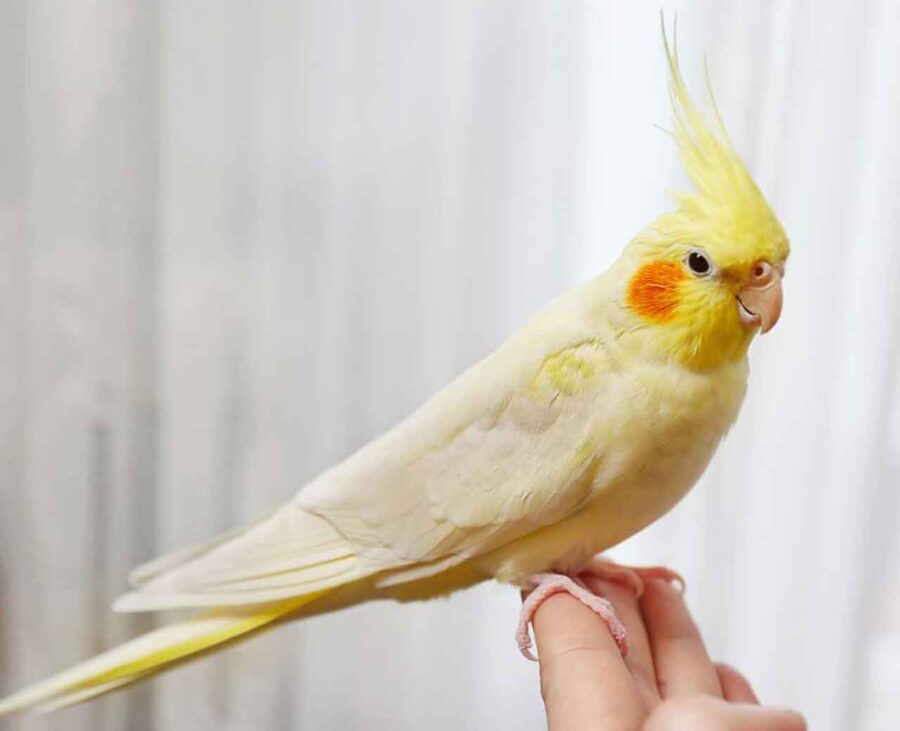
Cockatiels
Known for their affectionate personalities, cockatiels are a favorite among bird owners who want an interactive companion without excessive noise. While they do whistle and vocalize, they’re generally quieter than many larger parrots. Cockatiels enjoy human interaction and have moderate space requirements, making them a good fit for apartments. It’s worth noting that males may whistle more frequently, which can be charming but is something to consider depending on your building’s sound sensitivity.
Finches and Canaries
For those who prefer a bird that’s more suited for observation than hands-on interaction, finches and canaries are excellent apartment companions. Their soft, pleasant vocalizations are unlikely to disturb neighbors, and they thrive when housed in pairs or small groups. These birds require less direct handling and have a smaller cage footprint, making them ideal for those with limited space who still want the beauty and joy that birds bring to a home.
Parrotlets
Parrotlets may be tiny, but they have big personalities packed into a small frame. Though they can be vocal at times, they are still quieter than many larger parrot species. Parrotlets are intelligent, playful, and capable of forming strong bonds with their owners. Because they require less space than larger birds but still benefit from daily enrichment and interaction, they can do very well in apartment settings when their mental and social needs are met.
Setting Your Noise Expectations
Even birds that are considered “quiet” will vocalize daily. Birds communicate through sound, and silence is not a realistic expectation. Therefore, before choosing a bird, consider factors such as:
- The wall thickness in your building
- Your neighbors’ tolerance
- Your daily schedule
- A bird’s natural vocal times (usually morning and evening)
Playing soft music or providing enrichment can sometimes help reduce excessive vocalization.
Enrichment is Essential—Particularly in Smaller Spaces
Apartment birds may not have as much room to fly, so mental stimulation becomes even more important than it is for birds with more space available. Therefore, it’s essential to provide:
- Rotating toys
- Foraging opportunities
- Perches of varying textures
- Safe out-of-cage time
- Social interaction
A well-stimulated bird is generally happier and less likely to develop stress-related behaviors like excessive calling.
The Best Bird for Your Apartment Is One That Fits Your Lifestyle
Every bird is an individual, and success in apartment living depends as much on the owner’s preparation as the species itself. Research, realistic expectations, and a commitment to daily care go a long way in creating a happy home for both you and your bird.
Not sure which species fits your lifestyle best? MyBird offers tools and resources to help you explore different bird types, care needs, and personality traits so you can make a confident, informed decision—and our fun and informative Bird Matchmaker Quiz is a great place to start!

